- November 24, 2026
- Veronika
Real product knowledge, good questions and a room full of design professionals who came armed with the tough questions – just like we wanted them to.
High Point, North Carolina | October 16, 2026
High Point knows how to put on a show. Twice a year, thousands of design professionals descend on the city to discover what’s new, find inspiration and reconnect with colleagues. But on October 16, just ahead of Fall Market, we gathered a group of designers at Congdon Yards for something a little different. We wanted to slow things down.
No frantic showroom hopping. No speed dating with products. Just a half day to explore how things are made, how they work, what can go wrong and how to make better decisions before the first installation begins.
Welcome to Designhounds Bootcamp, High Point edition.
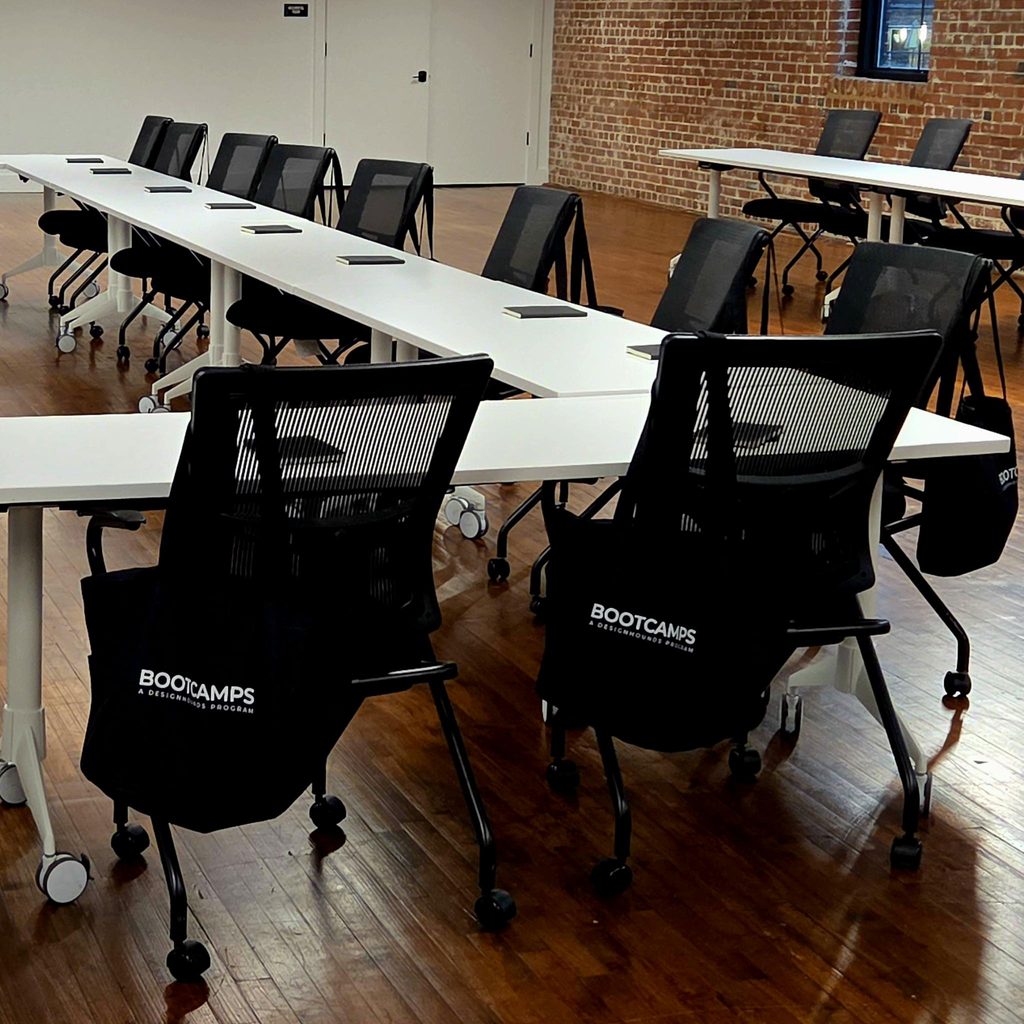
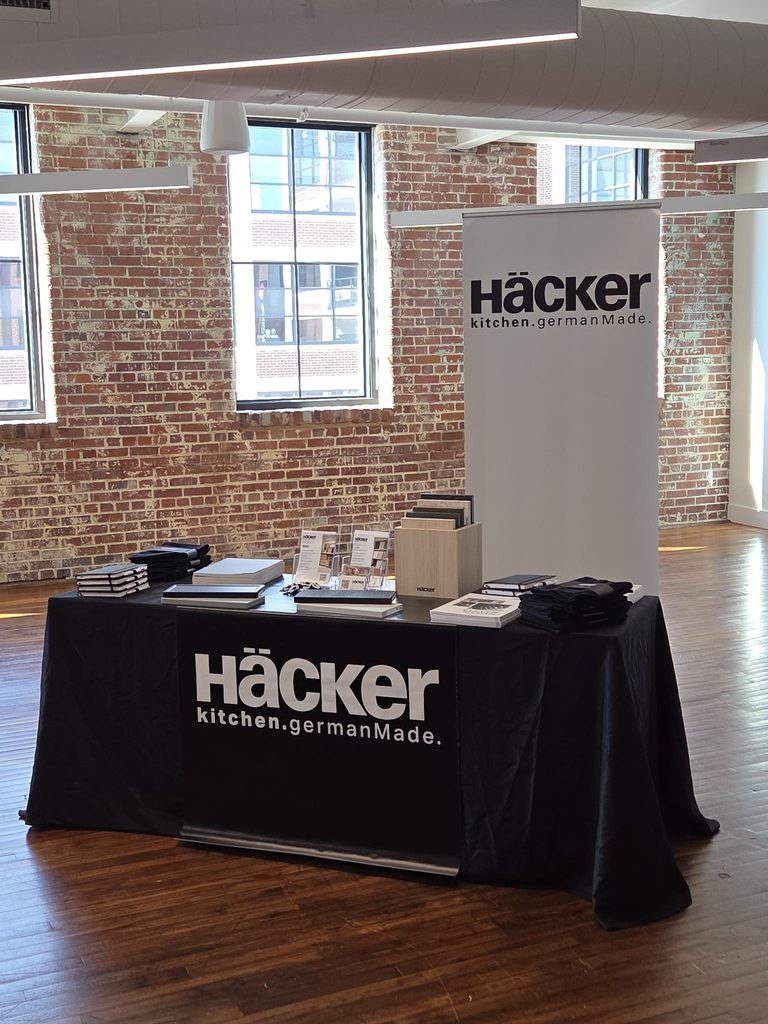
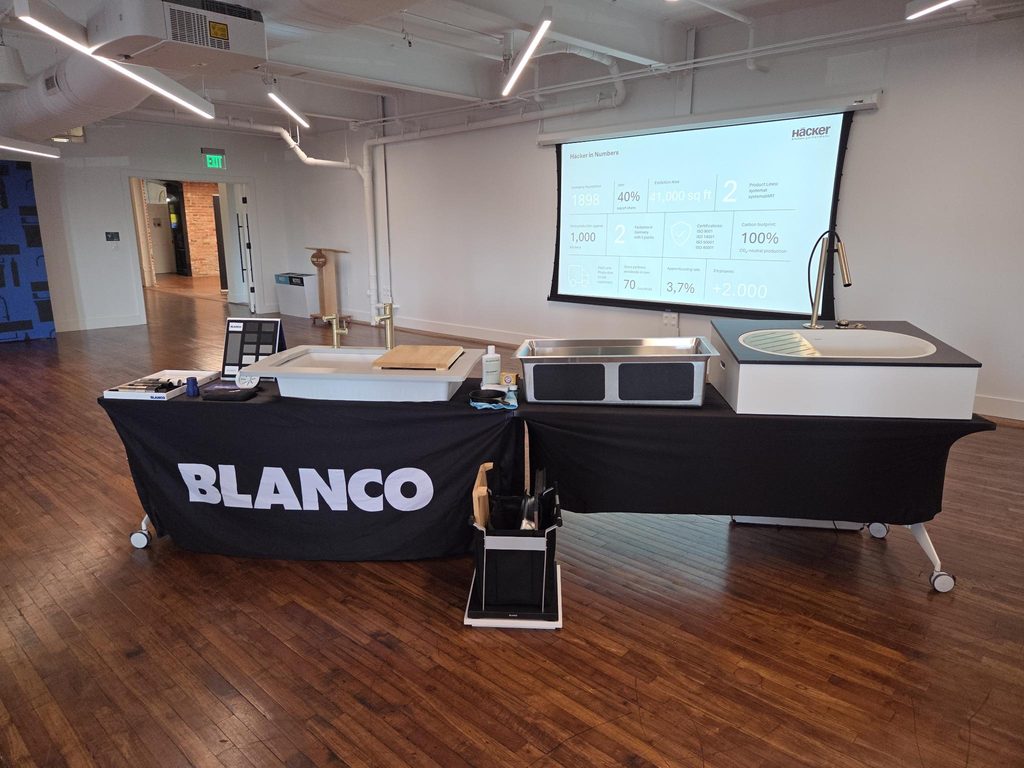
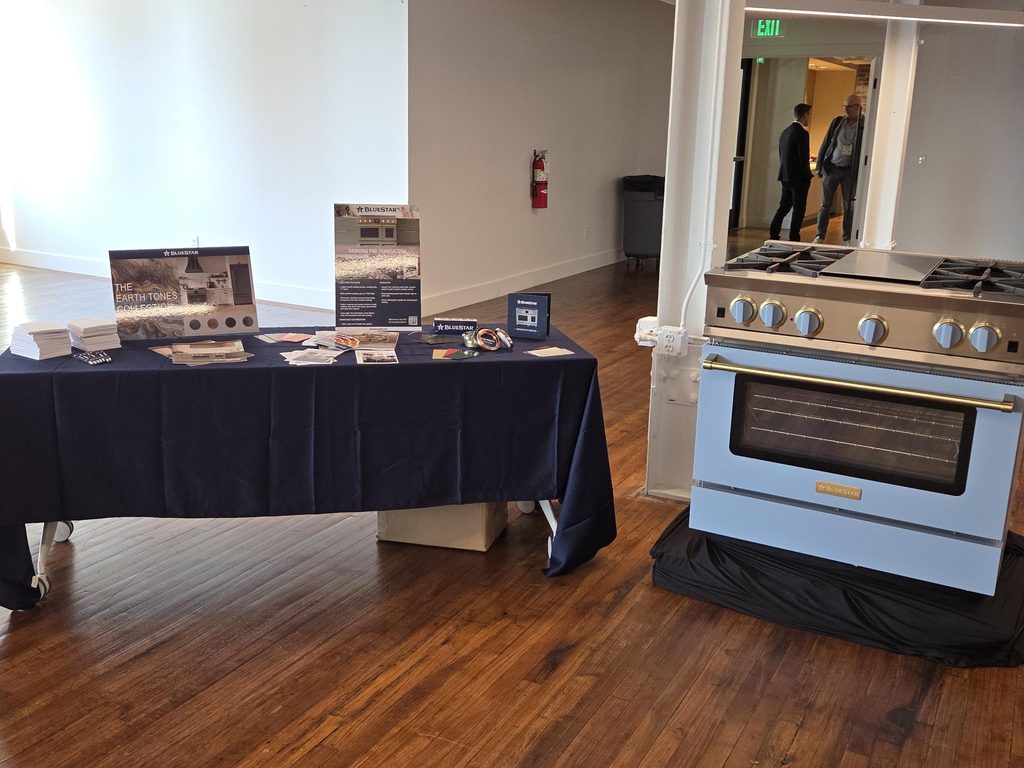
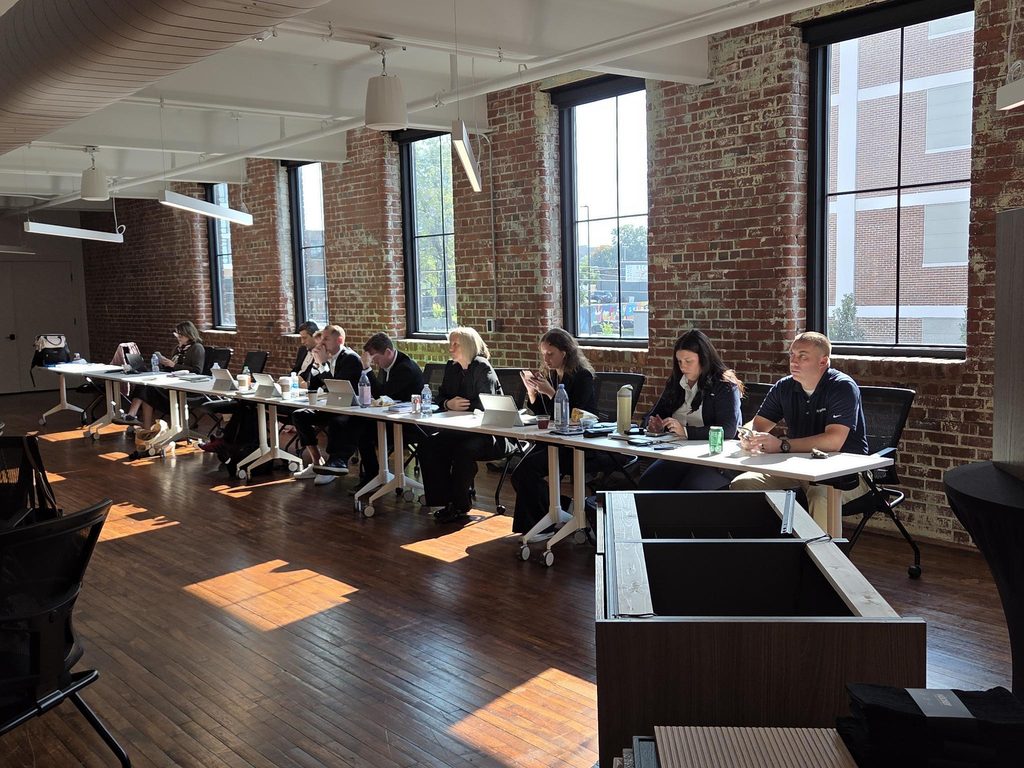
A pretty good place to get our hands dirty
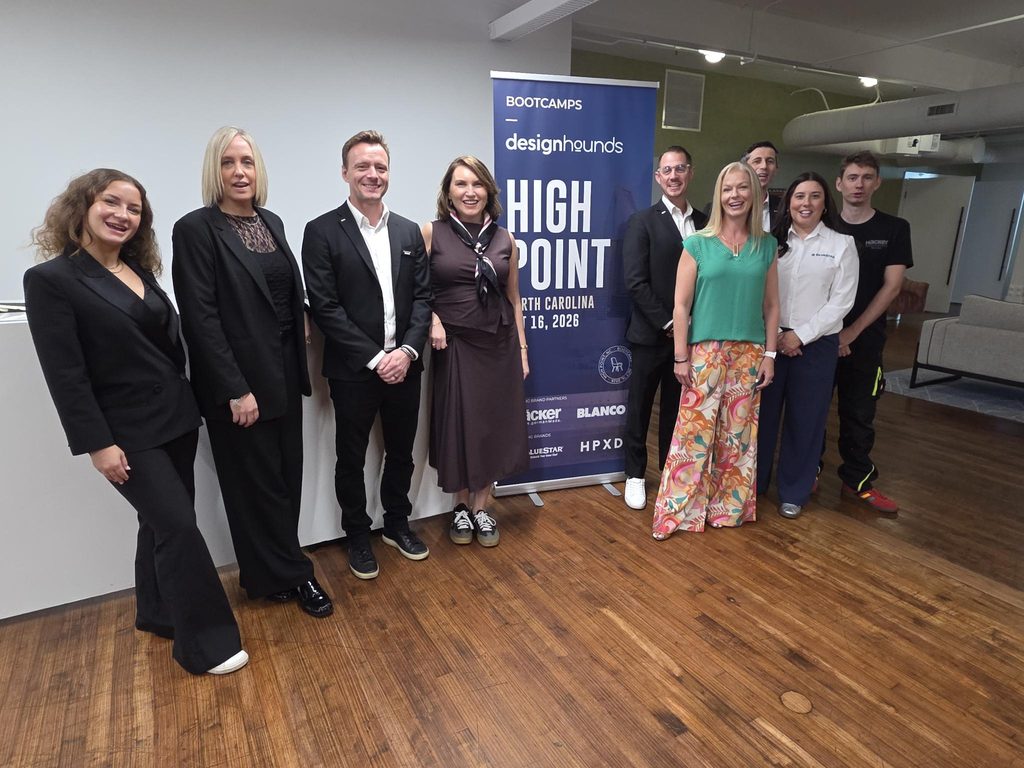
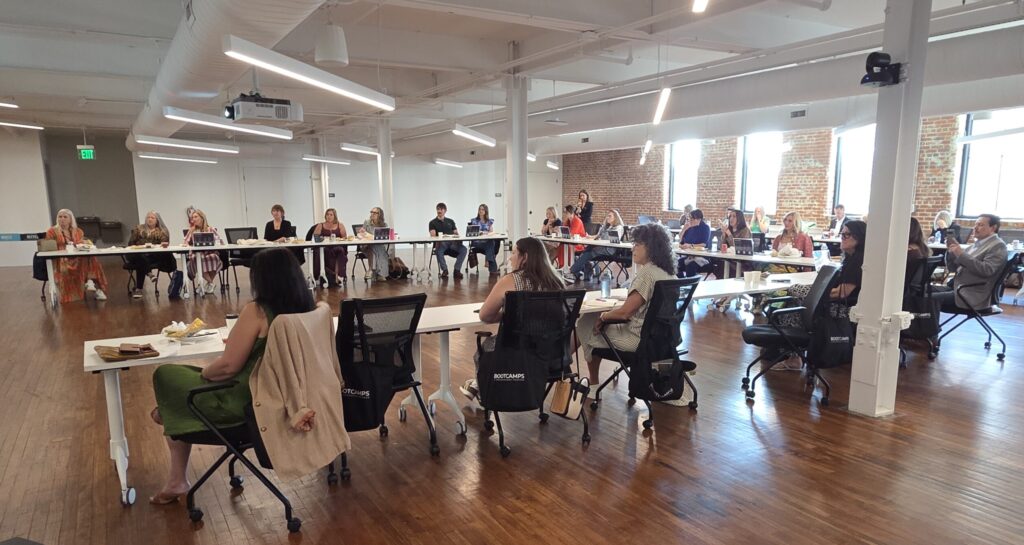
Congdon Yards, a former industrial complex transformed into a creative and entrepreneurial destination, was an appropriate home for the day. With our friends at HPxD, we brought together design professionals from North and South Carolina, Georgia, Florida, Texas, Ohio, Washington and beyond for an afternoon of practical product education, conversation and a few discoveries.
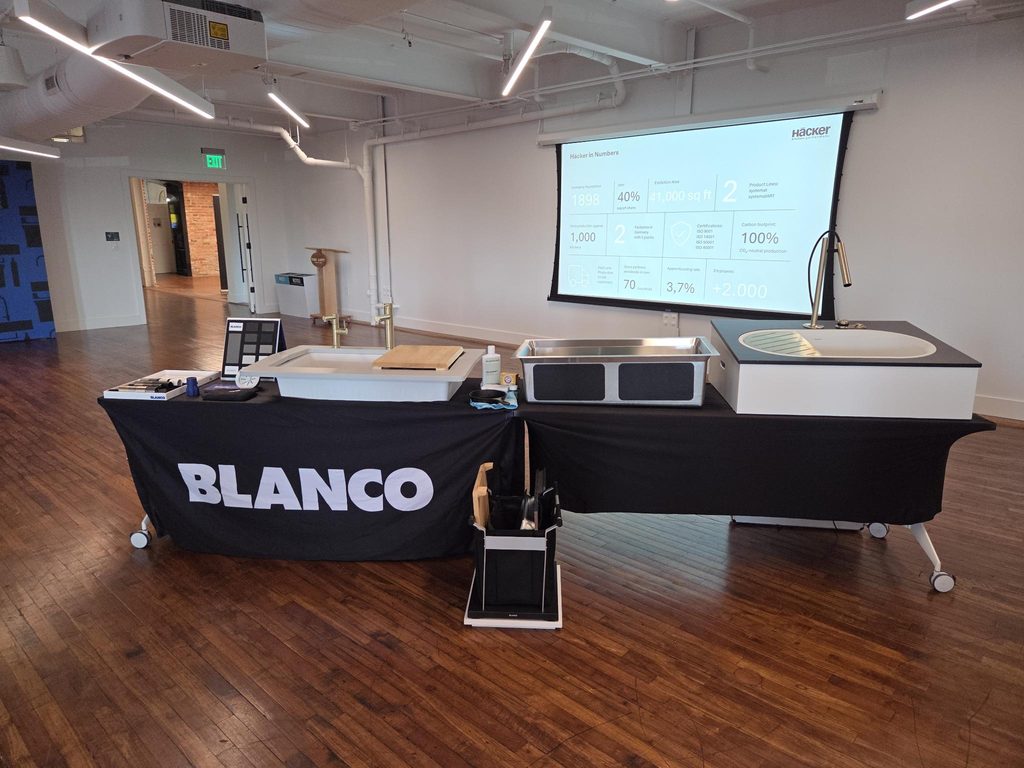
Our participating brands, Häcker Kitchens North America, BLANCO and BlueStar, came prepared to go beyond the usual product presentation. And the designers came prepared with questions.
Three brands. Three very different conversations.
Häcker Kitchens: What’s behind a beautifully built kitchen?
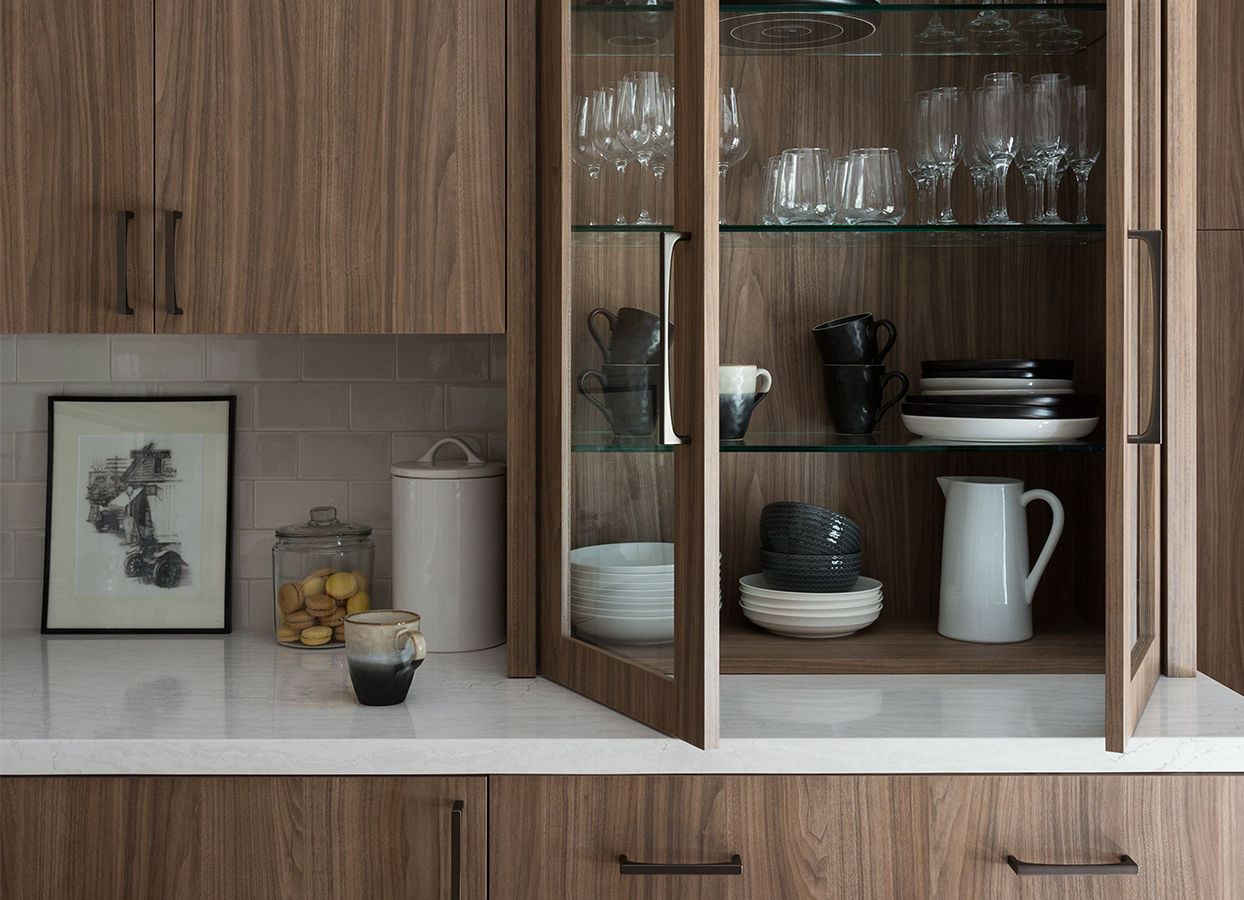
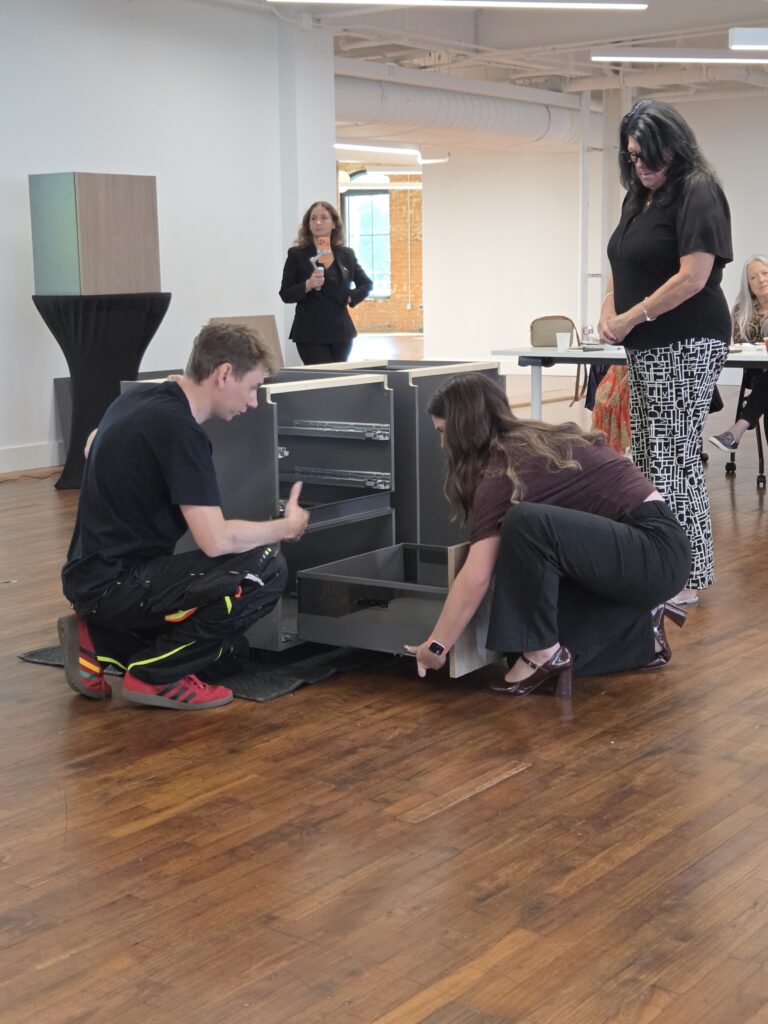
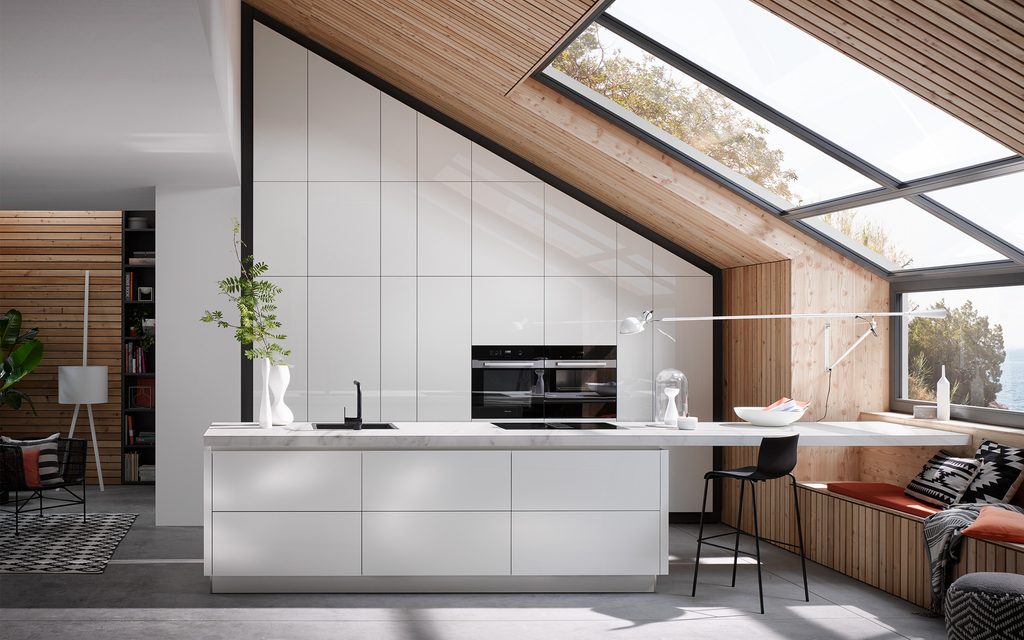
A finished kitchen can look effortless. The planning and engineering behind it are anything but. With Häcker Kitchens North America, our designers explored cabinet construction, functional details and the decisions that affect installation, longevity and everyday use.
One particularly lively discussion centered on Häcker’s use of engineered particleboard rather than plywood for its cabinet boxes. In a market where traditional American cabinetry and plywood construction are often considered the standard of quality, designers wanted to understand not only the material choice but how to explain its advantages to clients.
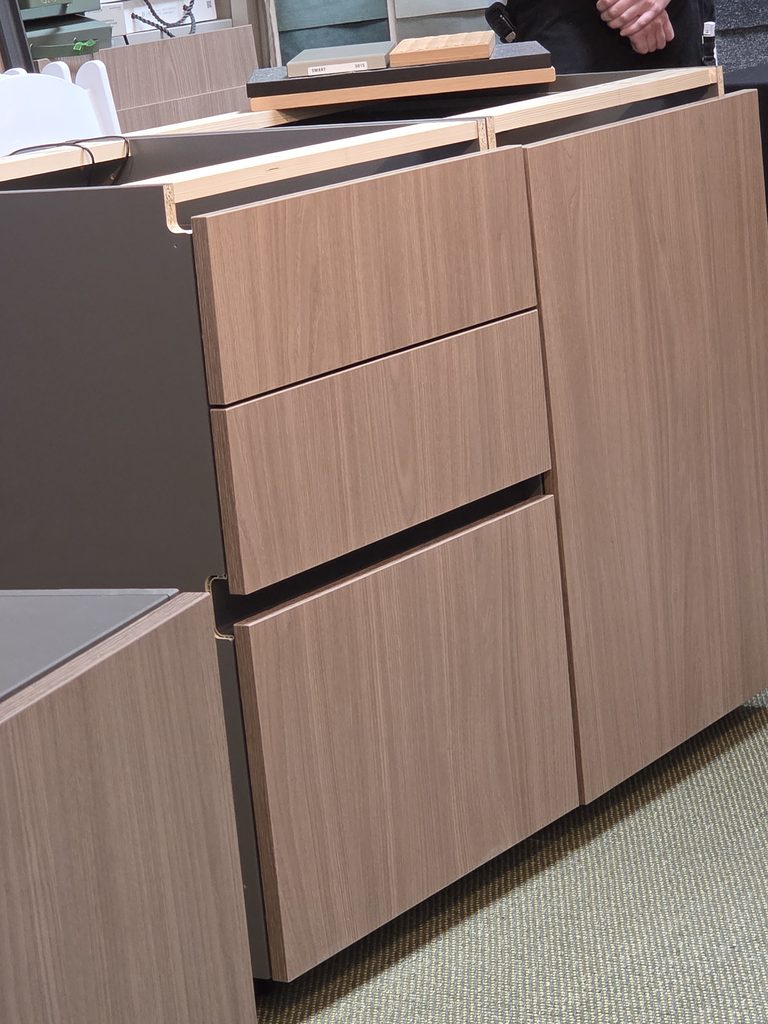
The conversation opened up a closer look at the stability and strength of engineered particleboard, the importance of precision manufacturing and Häcker’s edge-banding techniques, which protect the material from moisture. It also highlighted the differences between traditional American cabinet construction and European systems engineered around precision, adjustability and efficient installation.
Designers explored Häcker’s cabinet systems, numbered for ease of jobsite coordination, adjustable cabinet feet and concealed, wall-mounting hardware, with special focus on the practical advantages of easily and quickly being able to level and align cabinets during installation. Even the use of engineered polymer feet, rather than traditional wood supports, became part of a larger discussion about the purpose and performance of each component.
Not every market approaches kitchen design with the same expectations, and not every client will embrace European cabinetry. But understanding why a manufacturer makes particular material and construction choices gives designers the knowledge to evaluate those differences and explain them with confidence.
BLANCO: More than a pretty sink
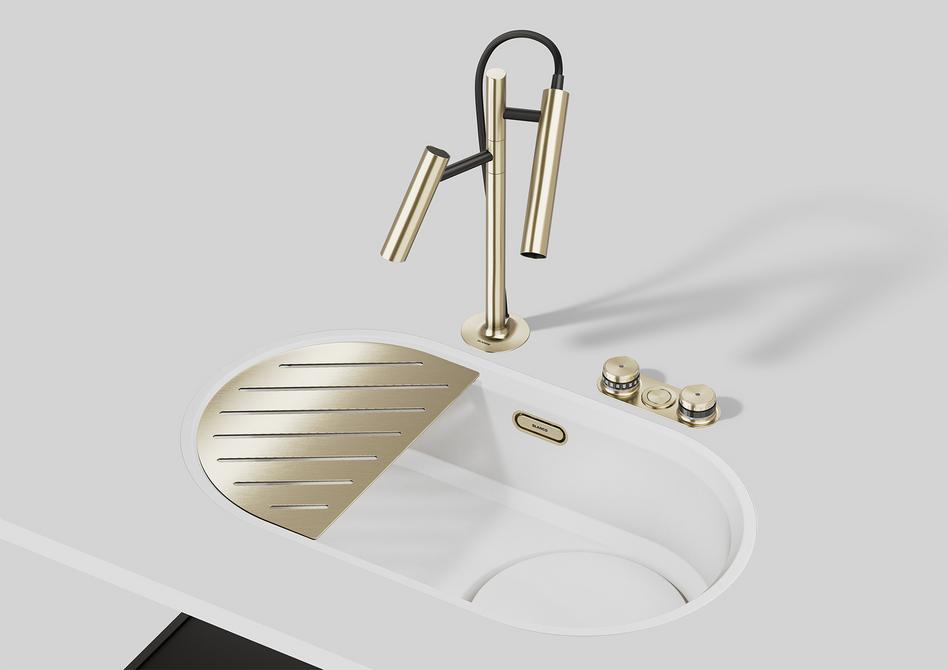
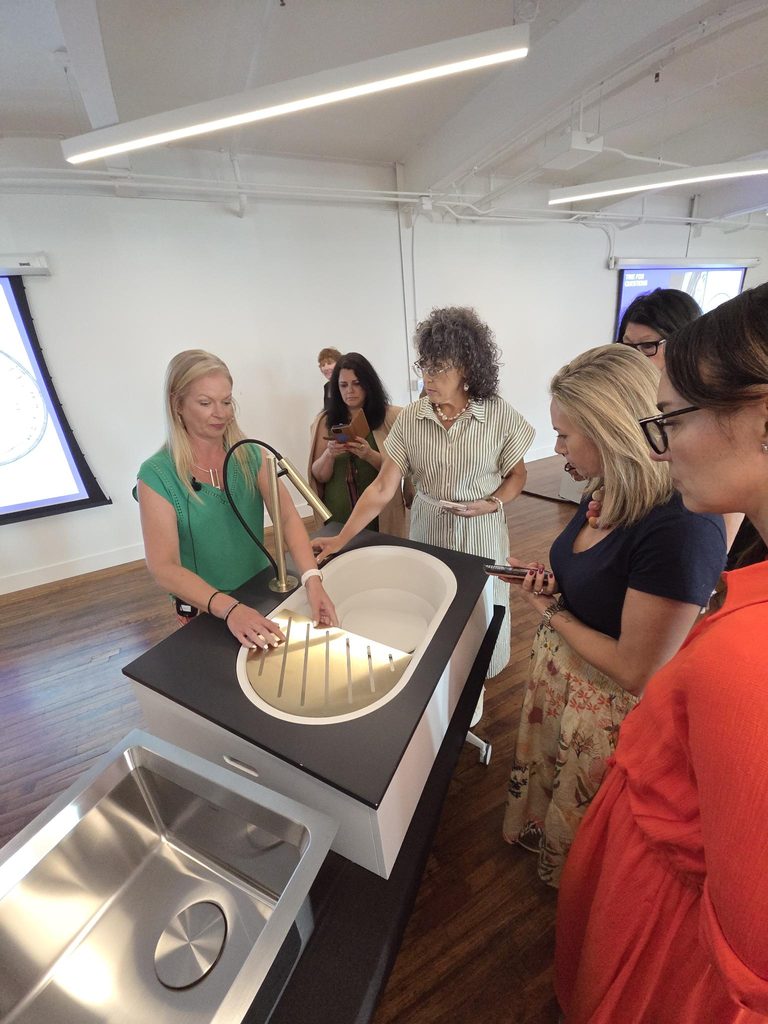
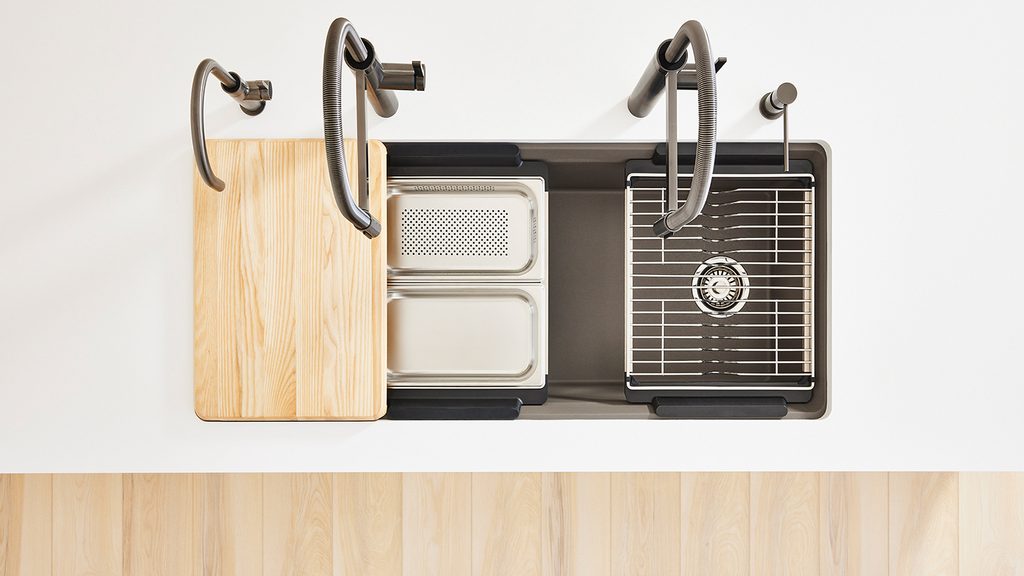
Sinks and faucets are among the hardest-working elements of any kitchen, yet product selection can begin and end with appearance and is often one of the last decisions in the kitchen. BLANCO brought the conversation back to materials, functionality, care and the details that can make an important difference to the designer, installer and homeowner.
We took a closer look at BLANCO’s SILGRANIT material, a granite composite made with up to 80% natural granite, and explored its durability, resistance to everyday wear and surprisingly simple maintenance requirements.
Cleaning and care became a particularly lively topic. After all, no designer wants a call from a client a year after installation complaining that their beautiful white sink is now covered in coffee and tomato stains.
Through demonstration videos, we learned that what appears to be staining is often discoloration of mineral deposits left behind by hard water rather than staining of the sink itself. BLANCO recommends regular cleaning with mild dish soap, a soft sponge and water, followed by rinsing and drying and to never use any cleaners with essential oils.
Beyond materials and maintenance, we explored the engineering behind stainless steel sinks, including differences in gauge, weight and rigidity, and discussed the installation requirements of increasingly large workstation sinks. Proper support, cabinet clearances and access to faucet connections are all considerations that need to be addressed well before installation.
The takeaway? Understanding what goes into a sink, how it should be installed and how to maintain it gives designers far more confidence in recommending the right product and helping clients enjoy it for years to come.
BlueStar: A closer look at the working kitchen
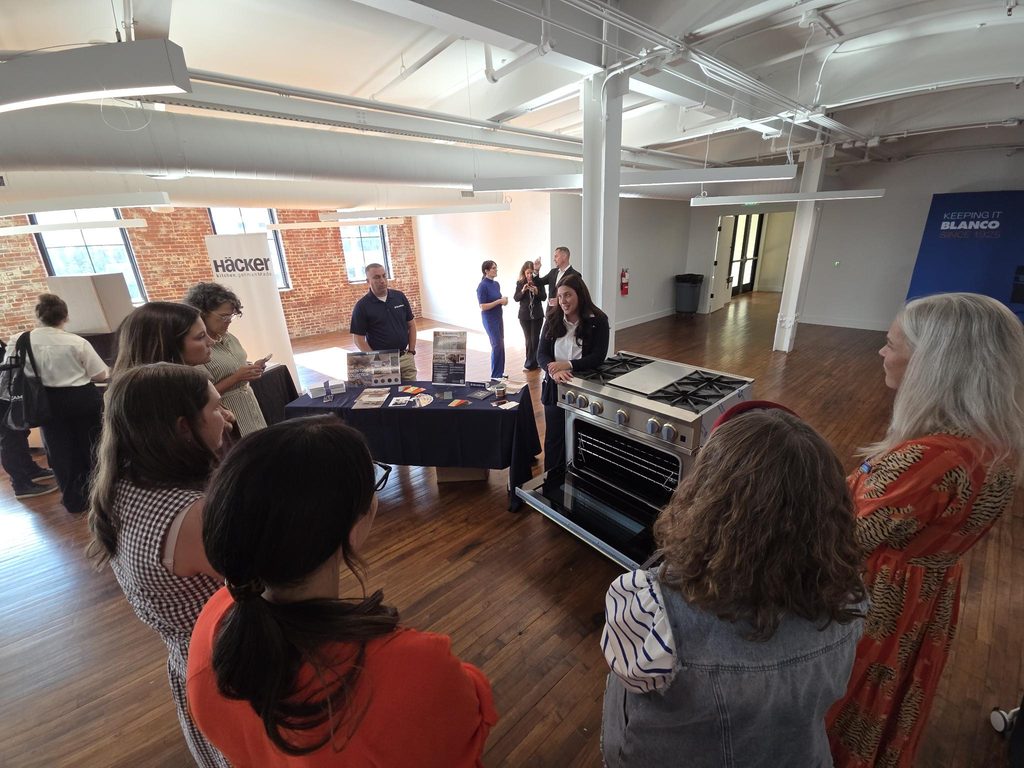
Great kitchen design requires more than selecting appliances that fit a beautiful rendering. BlueStar’s Ann Muth took us into the technical realities of specifying professional-style cooking equipment, with a particular focus on avoiding the mistakes that can cause problems long after a kitchen has been designed.
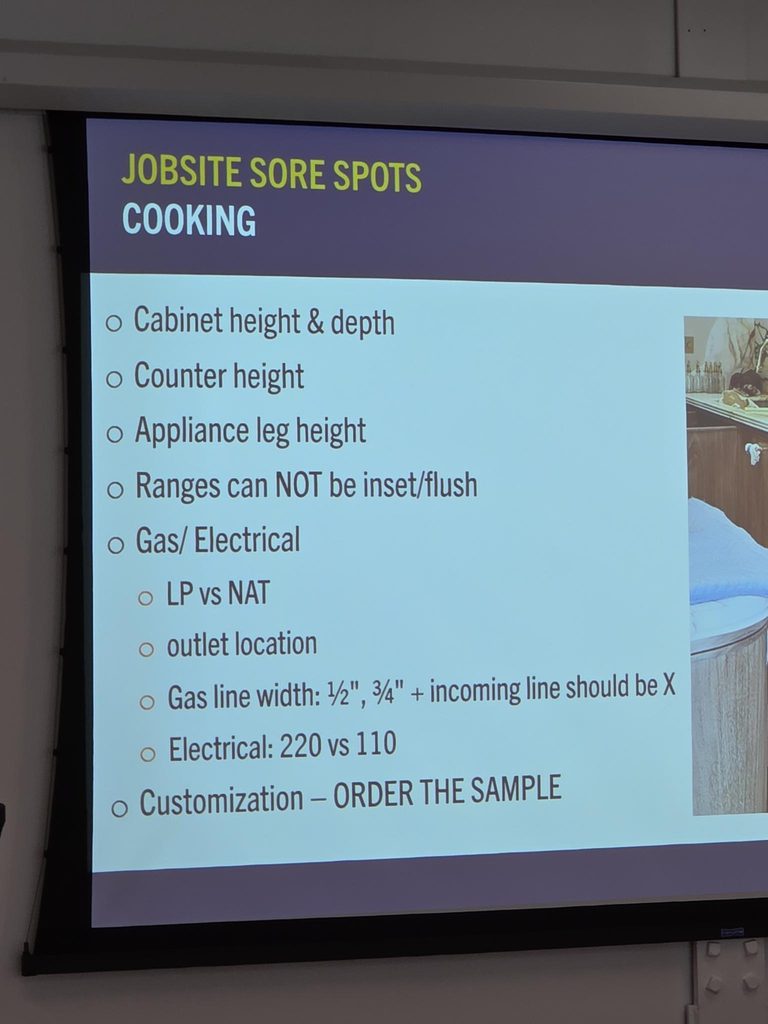
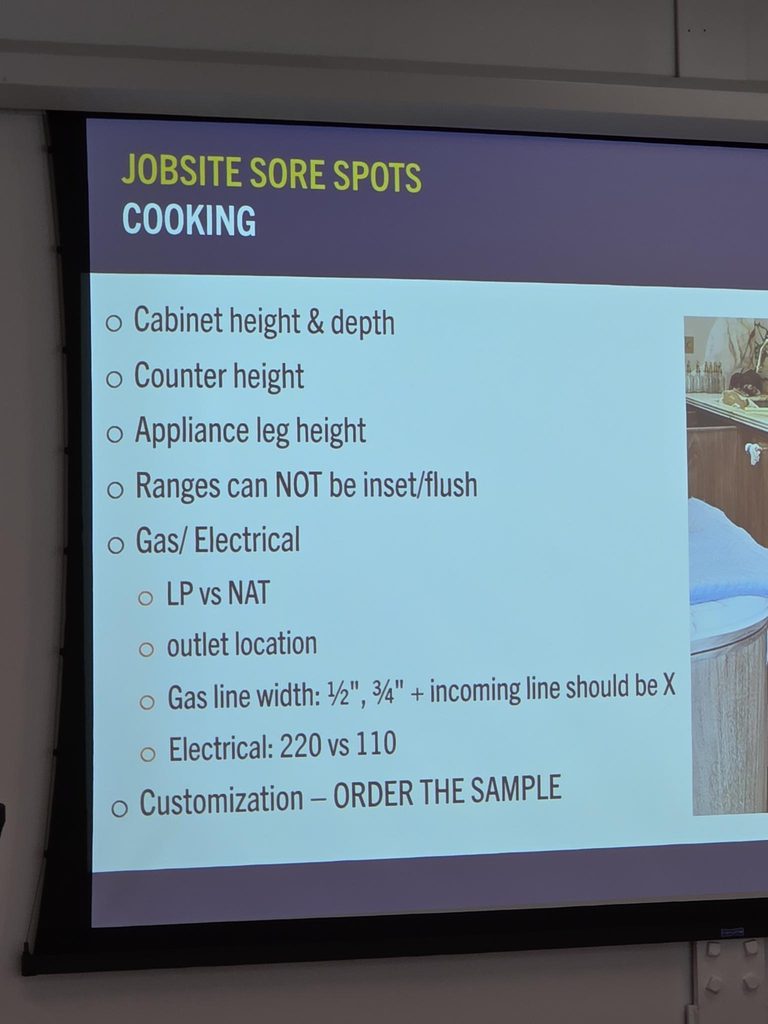
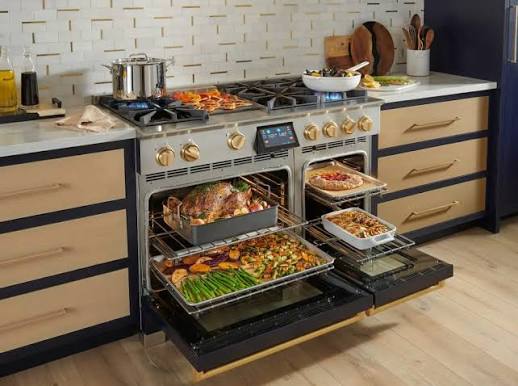
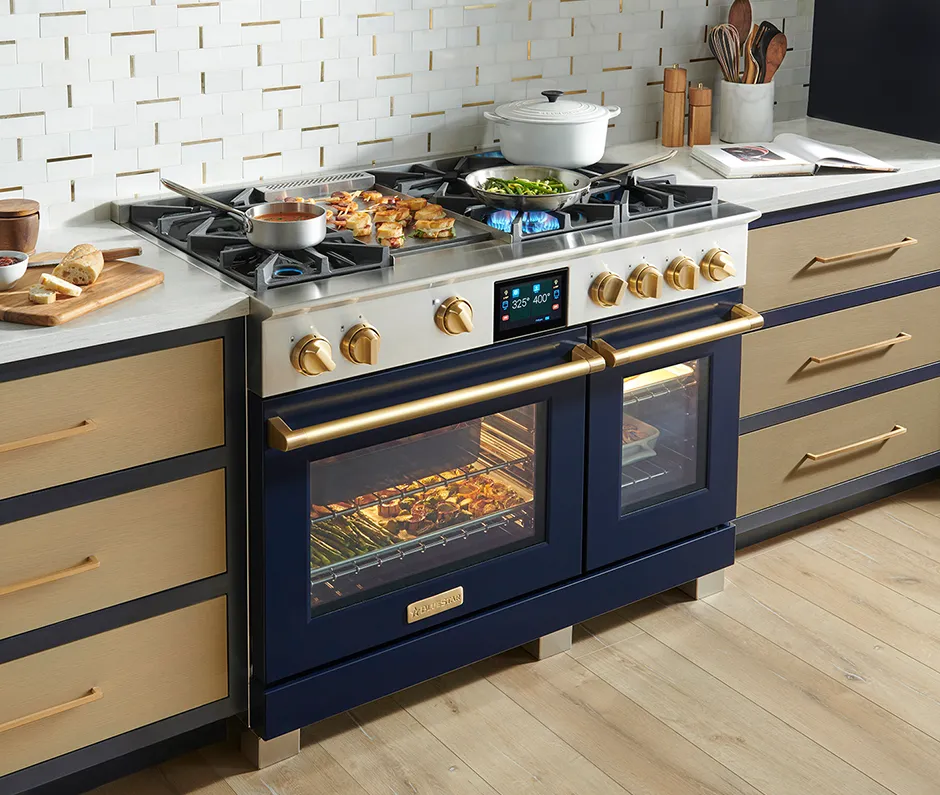
Using a BlueStar range as a reference, designers explored the differences between gas, dual fuel and induction, including electrical requirements, gas connections and the importance of actually reading appliance specification sheets. We discussed why ranges must sit proud of surrounding cabinetry rather than flush, how cabinet depths and countertop heights affect installation, and why confirming utility locations before construction can prevent expensive corrections later.
Ventilation brought some particularly useful lessons. A properly sized hood isn’t simply about matching the width of the range. Depth matters, too. Ann explained why a 24-inch-deep hood can provide better capture over powerful front burners than a shallow decorative hood, and how duct size, long duct runs and 90-degree bends can reduce performance. We also examined hood mounting heights, the importance of makeup air and why ventilation needs to be part of the earliest kitchen planning conversations, not an afterthought.
The discussion extended to refrigeration, including panel thickness and weight, door swing clearances, hinge direction and the importance of checking that anti-tip brackets have been installed. Small oversights in these areas can create surprisingly large problems on installation day.
One particularly telling example came from our earlier New York Bootcamp, where information learned during Ann’s presentation subsequently helped identify and correct an improper BlueStar installation in a South Carolina vacation rental.
Throughout the workshop, the emphasis was on understanding the relationship between appliance performance, cabinetry, mechanical requirements and the people responsible for installation. The kind of knowledge that helps designers ask better questions, coordinate more effectively with contractors and avoid those dreaded jobsite surprises.
The best part? The questions.
A Bootcamp isn’t designed around a manufacturer talking at a room.
It’s built around the conversations that happen when experienced design professionals have time to ask questions, challenge assumptions and explore the practical implications of product decisions. Sometimes those conversations confirm what we already know. Sometimes they expose something we hadn’t considered. And sometimes a single technical question sends the entire room down a particularly useful rabbit hole.
That’s when things get interesting.
“I really appreciated the deep dive into the products that we were able to look at and having the factory reps for Direct questioning” Leah Heinsius, KBL
And then, a little celebration
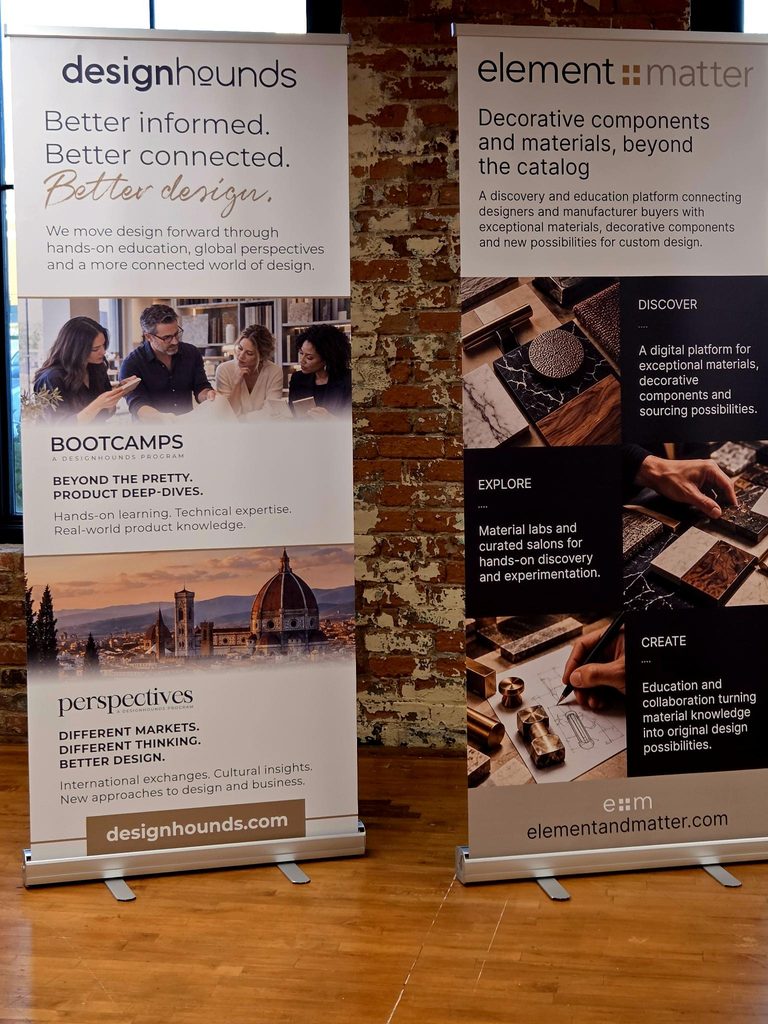
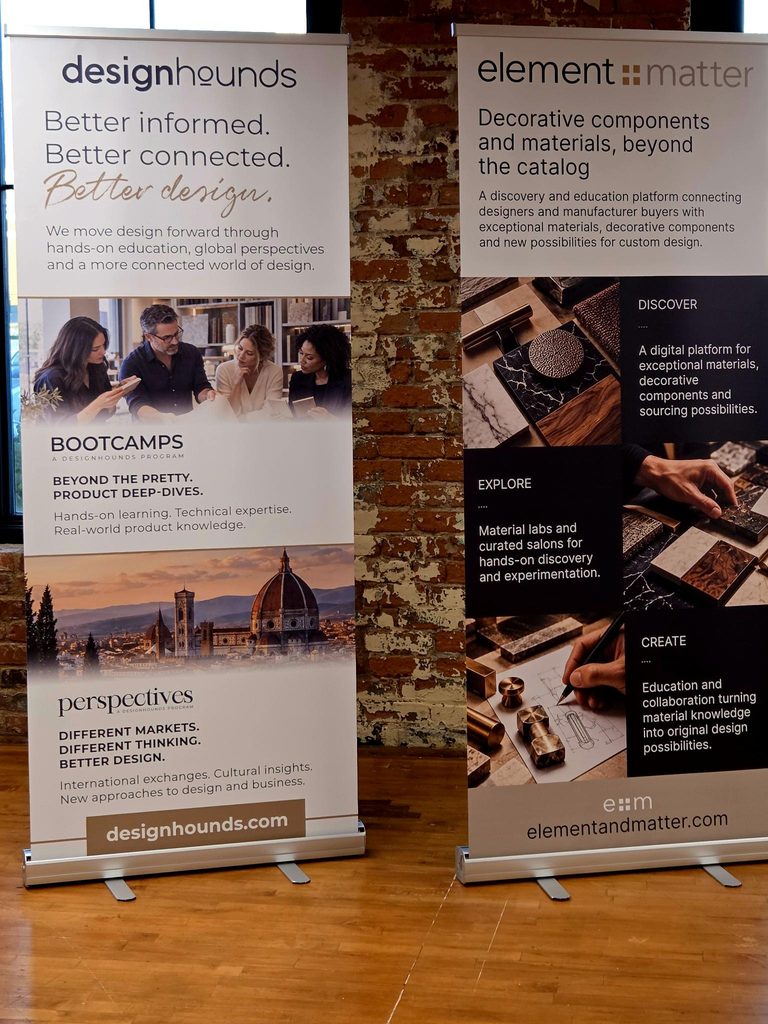
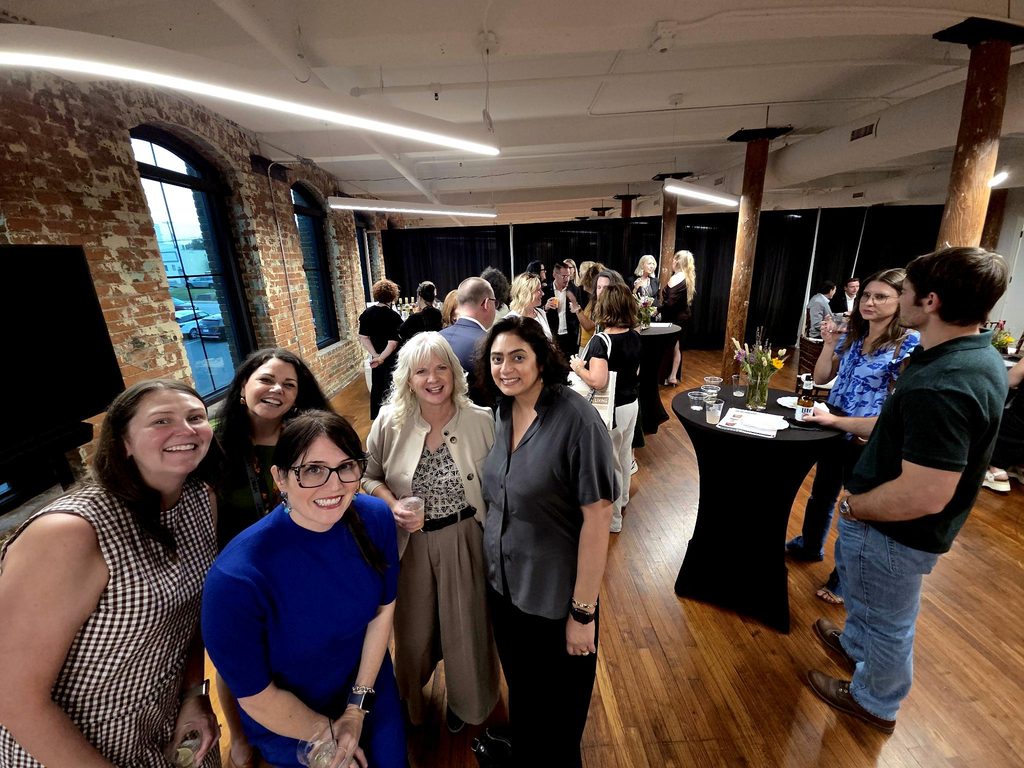
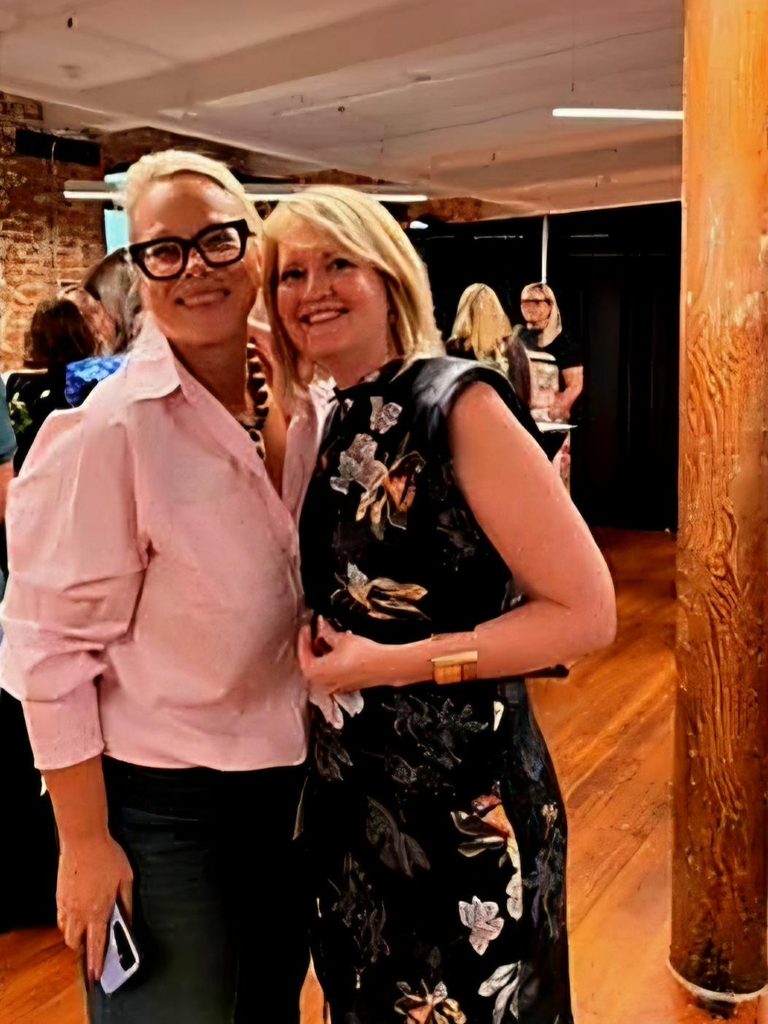
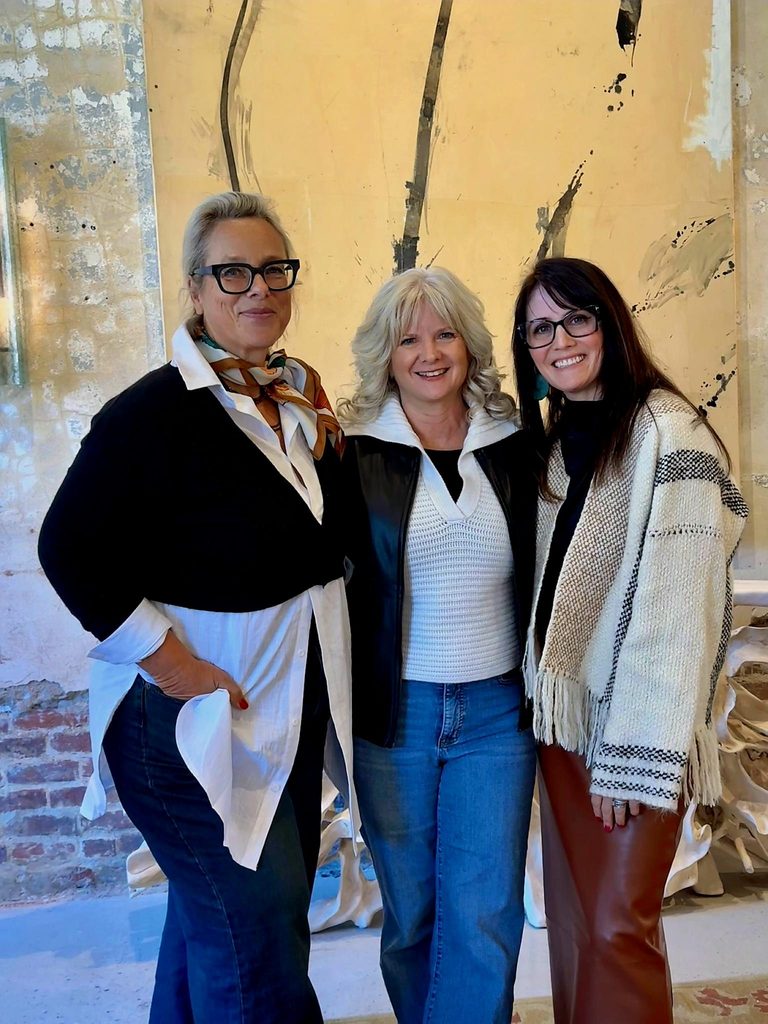
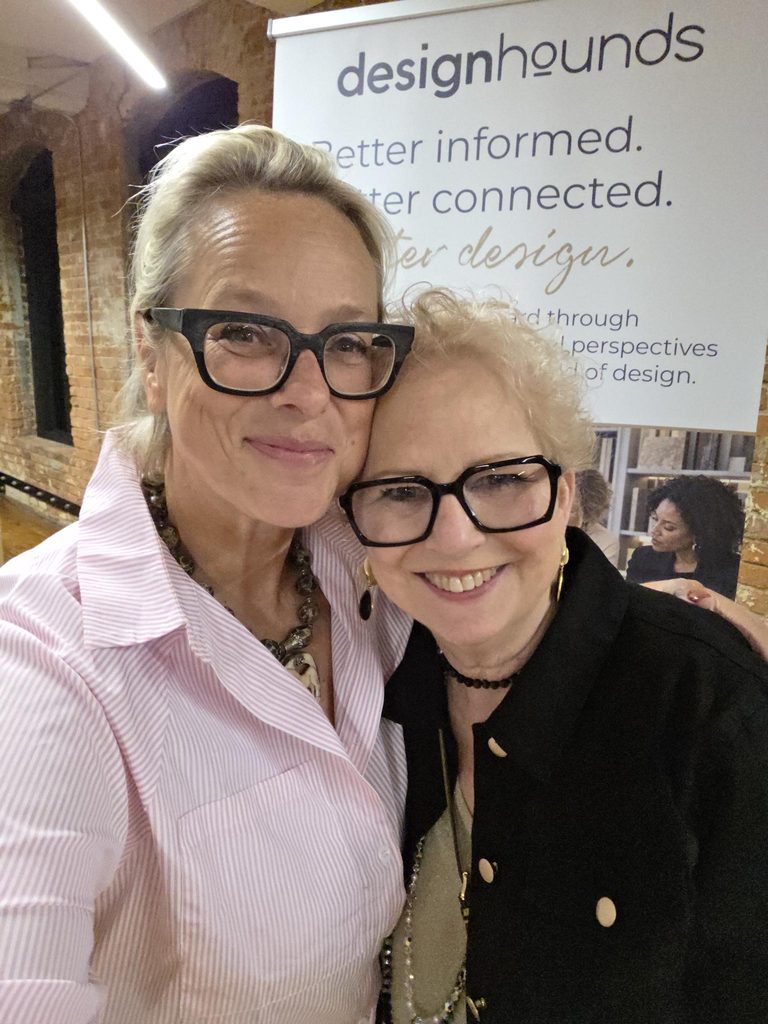
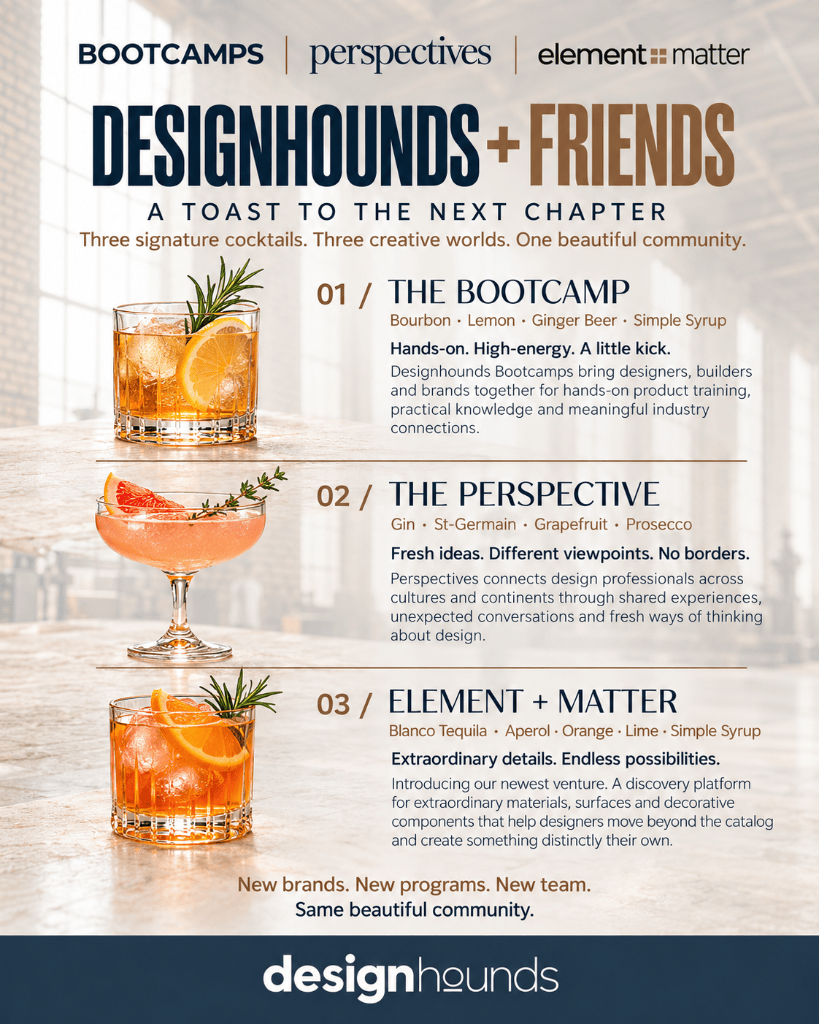
We ended the day by welcoming more of our Designhounds friends to Congdon Yards for an evening celebrating the next chapter of our community. Alongside Bootcamps, we shared a look at Perspectives, our international design exchange, and element + matter, our new platform exploring the extraordinary details, materials and components behind great design.
There were cocktails, conversations, old friends and some new ones.
A fitting way to begin High Point Market.
More Mattering. Less Marketing.
Designhounds Bootcamps are expanding to markets across the country in 2027, bringing hands-on product education directly to established design communities.
For design professionals, that means more confidence in the products they specify.
For participating manufacturers, it means spending meaningful time with the people who make those decisions.
And for all of us, it means a little more learning and a lot fewer expensive surprises.
Interested in joining us? Explore upcoming Designhounds Bootcamps, or contact us at hello@m2-connect.com to learn about attending, presenting or becoming a local market partner.
With thanks to Häcker Kitchens North America, BLANCO, BlueStar, HPxD and everyone who joined us in High Point.